FTKEE UMPSA   

Official Website    

FTKEE–Industry Engagement & Networking Day 2026 Strengthens University–Industry Collaboration

FTKEE–Industry Engagement & Networking Day 2026 Strengthens University–Industry Collaboration

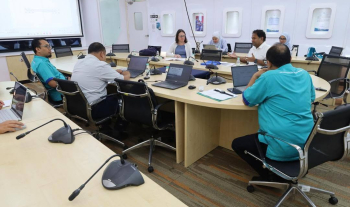
PEKAN, 16 NOVEMBER 2026 – The Faculty of Electrical and Electronics Engineering Technology (FTKEE), Universiti Malaysia Pahang Al-Sultan Abdullah (UMPSA), continues to expand its strategic industry partnerships through the successful organisation of FTKEE–Industry Engagement & Networking Day 2026, held at UMPSA Pekan Campus.

The programme was officiated by Professor Ts. Dr. Abdul Adam bin Abdullah, Senior Director of the Research Excellence Management Centre, UMPSA. This marked the second edition of the event, building on the success of the FTKEE–Industry Forum & Networking 2025.

Bringing together 27 representatives from 17 industry organisations, the programme provided a valuable platform for knowledge sharing, exchanging ideas, and exploring opportunities for strategic collaboration between the university and industry partners.

Key highlights of the programme included a knowledge-sharing session on Industrial Grants and Tax Incentives, a Networking & Roundtable Session, and laboratory visits to FTKEE's facilities. These activities provided opportunities for participants to explore potential collaborations, exchange professional insights, and gain a better understanding of the faculty's research capabilities and technological expertise.

The event also featured a Letter of Intent (LoI) exchange session with interested industry partners to explore collaboration opportunities in implementing Work-Based Learning (WBL) initiatives. This initiative aims to strengthen industry involvement in academic programmes and enhance students' practical learning experiences.

The organisation of this programme aligns with the aspirations of the UMPSA Strategic Plan 2026–2030 (UMPSA30), particularly in strengthening university–industry collaboration, advancing research excellence, and developing competent, industry-ready graduates who meet the evolving demands of the workforce.

Through this initiative, FTKEE reaffirms its commitment to fostering meaningful partnerships with industry stakeholders, promoting knowledge and technology transfer, and creating opportunities for mutually beneficial collaborations.

FTKEE hopes that this platform will continue to strengthen university–industry relationships and pave the way for more strategic partnerships, knowledge exchange, and collaborative initiatives that benefit both the university and its industry partners.

FTKEE UMPSA Welcomes Delegation from Southern Alberta Institute of Technology (SAIT), Canada

FTKEE UMPSA Welcomes Delegation from Southern Alberta Institute of Technology (SAIT), Canada

PEKAN, 16 NOVEMBER 2026 – The Faculty of Electrical and Electronics Engineering Technology (FTKEE), Universiti Malaysia Pahang Al-Sultan Abdullah (UMPSA), welcomed a delegation from the Southern Alberta Institute of Technology (SAIT), Calgary, Canada, including Melanie Ross, Research Chair at the Green Building Technology Access Centre.

During the visit, the delegation was given a tour of FTKEE's laboratories, providing firsthand exposure to the faculty's teaching and learning facilities in renewable energy and electrical engineering. Among the facilities showcased were solar photovoltaic (PV) systems, wind turbines, and electrical machines laboratories.

The visit also aimed to strengthen the ongoing collaboration between UMPSA and SAIT, particularly in the joint development of a book and educational modules entitled "Practical Building Energy Management and Efficiency."

During the discussion session, both institutions explored several key aspects of the project, including financial and publication models, proposed chapter contents, and the development timeline.

The proposed modules are intended to support Continuing Professional Development (CPD) for Registered Energy Managers, technical training for building maintenance personnel, university teaching and learning activities, and modular short courses.

This collaboration reflects FTKEE's commitment to strengthening international partnerships, advancing knowledge exchange, and promoting sustainable energy management education through industry-relevant learning resources.

FTKEE extends its sincere appreciation to the SAIT delegation, UMPSA Global, and all FTKEE representatives for their valuable contributions and commitment to this collaborative initiative.

It is hoped that this partnership will continue to grow, creating further opportunities for international collaboration in education, research, and sustainable energy technology.

International Mobility in Japan: FTKEE UMPSA Students Gain Experience in University of Tokyo

International Mobility in Japan: FTKEE UMPSA Students Gain Experience in University of Tokyo

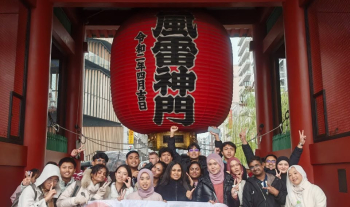
TOKYO, JAPAN | 16 NOVEMBER 2026 – Three students from the Faculty of Electrical and Electronics Engineering Technology (FTKEE), Universiti Malaysia Pahang Al-Sultan Abdullah (UMPSA), had the opportunity to manage an international academic forum at The University of Tokyo, Japan, through the international mobility programme MIRAI NO TOBIRA 2.0: TOKYO 2026. The programme was organised by the PERMAS UMPSA Secretariat in collaboration with the UMPSA Centre for Academic Collaboration and Mobility (CACM).

The three students involved were Siti Nursyahirah binti Zaimi, Srithaar a/l Murali and Putera Amierun Nierzar Fahmi bin Mohd Nazir. Their involvement in coordinating the forum provided valuable experience in managing academic programmes at the international level, while creating opportunities for interaction and knowledge sharing with the academic communities of Malaysia and Japan.

MIRAI NO TOBIRA, which means Gateway to the Future, is an international mobility programme organised by PERMAS UMPSA. It has now entered its second edition following its inaugural programme in Osaka, Japan, in 2025. This year's programme also received the support of the Malaysian Japan Academic Association (MSAJ) as a co-organising partner, providing a platform for UMPSA students to gain cross-cultural experiences, participate in social community service activities, enhance their competencies and establish programme collaborations with international organisations.

One of the main highlights was an academic forum entitled "Bridging Innovation: Engineering Next-Gen Sustainable Solutions Between Malaysia and Japan", featuring presentations by academics and researchers from The University of Tokyo. For the first time, the forum was also conducted online, attracting nearly 1,000 participants from the Malaysian and Japanese communities, further extending the reach of academic knowledge sharing across borders.

The forum began with a presentation by Dr. Amy Poh Ai Ling, entitled "Circular Economy in Japan: Best Practices, Challenges & Opportunities for Better World", highlighting the practices, challenges and opportunities associated with implementing a circular economy in Japan. This was followed by a presentation by Ms. Dahlia Sheherazade Aishah, entitled "Academic Integration: Research & Study Experiences in Japan", which provided insights into academic experiences, research and student life in Japan. The session was also complemented by a welcoming address from Professor Dr. Kenji Tanaka, representing The University of Tokyo.

In addition to their involvement in the forum, the delegation had the opportunity to visit Koshiba Hall and the Science Gallery at The University of Tokyo. These facilities showcase research achievements, scientific discoveries and high-impact contributions by Nobel Prize laureates in Japan. The visit provided students with valuable exposure to the academic environment, research facilities and innovation culture of a world-class university, while inspiring them to explore future opportunities and directions in education and research.

According to Siti Nursyahirah binti Zaimi, her participation in the programme provided first-hand experience in managing an international forum, coordinating programmes systematically and collaborating with student and academic communities from Malaysia and Japan. The experience also created opportunities to strengthen international academic networks while developing communication, management and teamwork skills in a global environment.

Meanwhile, Putera Amierun Nierzar Fahmi bin Mohd Nazir described his participation in the international mobility programme as a highly meaningful experience, particularly as he is currently pursuing his studies at diploma level. The opportunity not only broadened his academic perspectives but also enhanced his soft skills and confidence in interacting and participating in an international environment.

The student representatives also expressed their appreciation and gratitude to FTKEE and the UMPSA Centre for Academic Collaboration and Mobility (CACM) for their support and assistance throughout the implementation of the MIRAI NO TOBIRA 2.0: TOKYO 2026 international mobility programme.

Participation in programmes of this nature reflects UMPSA's continuous efforts to broaden students' learning experiences through international mobility, while supporting the development of competent, confident, competitive engineering graduates with a global outlook.

UMPSA and Khwaja Yunus Ali University, Bangladesh Strengthen Strategic Collaboration Through MoU Exchange

UMPSA and Khwaja Yunus Ali University, Bangladesh Strengthen Strategic Collaboration Through MoU Exchange

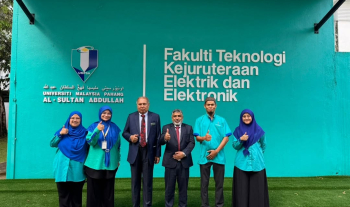
PEKAN, 11 NOVEMBER 2026 – Universiti Malaysia Pahang Al-Sultan Abdullah (UMPSA) continues to strengthen its international collaboration network through an official visit by a delegation from Khwaja Yunus Ali University (KYAU), Bangladesh, led by the Chairman of the KYAU Board of Trustees, Mr. Mohammad Yusuf.

The visit, held at the Tun Abdul Razak Chancellery Building, UMPSA Pekan Campus, served as a platform to strengthen institutional ties and explore opportunities for strategic collaboration between the two universities in academic and research activities.

One of the key highlights of the programme was the symbolic exchange of a Memorandum of Understanding (MoU) between UMPSA and KYAU, followed by a strategic meeting with the university management to discuss future directions and potential areas of collaboration.

The MoU establishes a framework for cooperation in various areas, including joint research, scholarly publications, participation in academic seminars and conferences, student and staff exchanges, short-term academic programmes, and the development of dual-degree programmes at both undergraduate and postgraduate levels.

The KYAU delegation also included Prof. Dr. Md. Asraf Ali, Vice-Chancellor of KYAU, and Prof. Col(r). Dr. Nazmul A Mallik, International Relations Advisor and Coordinator of KYAU–UMPSA Collaboration. Representing the Faculty of Electrical and Electronics Engineering Technology (FTKEE), UMPSA, was Ts. Dr. Mohd Shawal bin Jadin, Deputy Dean (Research & Postgraduate Studies).

During the visit, the KYAU delegation also participated in a campus tour and visited selected faculties and laboratories at UMPSA, providing an opportunity to gain firsthand insights into the university's academic facilities, research infrastructure, and areas of expertise.

Through this visit, UMPSA hopes to further strengthen its strategic partnership with KYAU by implementing mutually beneficial collaborative initiatives, particularly in expanding research opportunities, sharing expertise, and promoting international academic mobility.

This initiative reflects UMPSA's continued commitment to advancing its internationalisation agenda and expanding its global network of partnerships with higher education institutions worldwide.

36 Pelajar SMK Beserah Terokai Dunia STEM di FTKEE UMPSA

36 Pelajar SMK Beserah Terokai Dunia STEM di FTKEE UMPSA

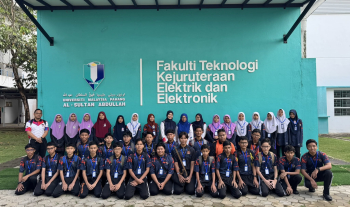
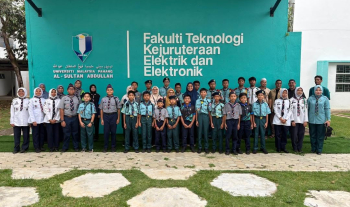
PEKAN | 11 November 2026 – Fakulti Teknologi Kejuruteraan Elektrik dan Elektronik (FTKEE), Universiti Malaysia Pahang Al-Sultan Abdullah (UMPSA) telah menerima kunjungan seramai 36 orang pelajar bersama empat orang guru pengiring dari SMK Beserah, Kuantan menerusi Program Lawatan Akademik dan Pengayaan STEM.
 
Delegasi guru yang hadir terdiri daripada Puan Anis Athirah binti Mahmud, Encik Shahril bin Rain @ Arabain, Puan Nor Yusmanira binti Razali dan Puan Faizah binti Hasan. Sepanjang program, para pelajar mengikuti sesi perkongsian STEM, aktiviti Hands-On Digital Making Workshop serta sesi interaktif yang memberi peluang kepada mereka meneroka teknologi dan aplikasi kejuruteraan secara lebih dekat.
 
Semoga pengalaman ini dapat menyemarakkan minat pelajar terhadap bidang STEM, membuka minda tentang peluang dalam dunia kejuruteraan serta menjadi inspirasi untuk meneruskan pengajian dalam bidang teknologi pada masa hadapan.
UMPSA’s MyLandslide-AI Innovation Recognised Among Top 10 Benchmark Scenarios at MAZU 2026 in China

UMPSA’s MyLandslide-AI Innovation Recognised Among Top 10 Benchmark Scenarios at MAZU 2026 in China

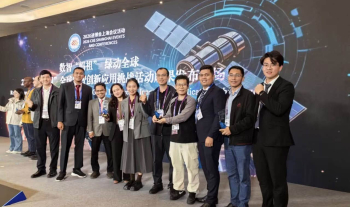
SHANGHAI, 7 November 2026 – Universiti Malaysia Pahang Al-Sultan Abdullah (UMPSA) has once again brought international recognition to Malaysia through its innovation, MyLandslide-AI, an artificial intelligence (AI)-based platform for landslide monitoring, risk assessment and early warning. The innovation was recognised as one of the Top 10 Benchmark Scenarios at the 2026 MAZU Global Intelligence Innovation Application Challenge, held in Shanghai, China.

The recognition by the China Meteorological Administration (CMA) marks a significant achievement for UMPSA in the fields of satellite technology, Global Navigation Satellite System (GNSS), artificial intelligence and disaster risk management. The award was received by Professor Ir. Ts. Dr. Kamarul Hawari Ghazali from the Faculty of Electrical and Electronics Engineering Technology (FTKEE), who is also a research fellow at UMPSA’s AIT Research Centre. He also presented the MyLandslide-AI innovation to the judging panel and international participants.

MAZU 2026 attracted entries from 36 countries, with only 20 innovations selected to advance to the final stage. Of these, 10 innovations received the Top 10 Benchmark Scenarios recognition, including MyLandslide-AI, which showcases the outcomes of Malaysia–China research collaboration. The competition also served as a platform for international researchers and technology experts to present innovative solutions in weather forecasting, meteorological technology, disaster early warning systems, satellite data analysis and AI applications to enhance public safety and preparedness.

The recognition ceremony was held in conjunction with activities related to the 2026 China International Import Expo (CIIE) in Shanghai. Among the senior leaders in attendance were Zhang Yuxin, Deputy Secretary-General of the Shanghai Municipal People's Government, and Zhang Xingying, Director-General of the Department of International Cooperation, China Meteorological Administration. The event was also attended by representatives from meteorological agencies, research institutions, universities and international organisations.

According to Professor Kamarul, the development of MyLandslide-AI is the result of UMPSA's continuous research over the past 10 years, beginning in 2016, in the areas of ground movement monitoring, GNSS technology, rainfall data analysis, satellite data utilisation, artificial intelligence, and landslide risk modelling and prediction. Initially focused on monitoring slope movements using GNSS technology, the research has since evolved towards developing a Multi-Source AI model that integrates multiple data sources, including rainfall data, satellite observations, GNSS/BeiDou, field sensors and geospatial information to support risk assessment and the development of landslide early warning systems.

"This recognition marks an important achievement after almost ten years of research in landslide monitoring and risk prediction. In the early stages, our research focused primarily on using GNSS to detect slope movements. Today, our research has expanded to incorporate rainfall data, satellite technology and artificial intelligence to develop a more comprehensive approach to risk assessment," he said.

UMPSA's research has also involved collaboration with the Public Works Department (JKR) in assessing landslide-prone areas, including site visits in Cameron Highlands, Pahang. This collaboration has provided researchers with opportunities to understand the actual requirements of slope monitoring, particularly in highland areas and along road corridors exposed to heavy rainfall and ground movements.

The key strength of MyLandslide-AI lies in its Multi-Source AI approach, which enables different data sources to be analysed collectively to understand the factors affecting slope stability. Among the data sources used or proposed for integration into the platform are meteorological and Earth observation satellite data, such as China's Fengyun-4B (FY-4B), Japan's Himawari, Sentinel-1 and Sentinel-2 from Europe's Copernicus programme, as well as NASA's Global Precipitation Measurement Integrated Multi-satellitE Retrievals (GPM IMERG) rainfall data.

The platform also integrates GNSS and BeiDou data with other satellite navigation systems, including GPS, Galileo and GLONASS, to measure changes in position and slope movements. In addition to rainfall data from meteorological stations, rainfall intensity and accumulation, and weather forecasts, field sensors such as soil moisture sensors, slope inclination sensors, ground crack sensors and water level sensors help identify changes in local ground conditions. Geospatial and geological information, including topography, slope gradients, soil types, geological conditions, land cover and historical landslide records, also forms an important component of the analysis process.

Through this approach, AI has the potential to identify complex relationships between rainfall distribution, changes in soil conditions, slope movements and environmental factors that contribute to increasing landslide risks. Satellite data enables analysis over wider geographical areas, while GNSS and field sensors provide more detailed information at specific monitoring locations. Combining these two approaches has the potential to strengthen landslide monitoring and risk assessment capabilities in a more systematic manner.

Professor Kamarul further explained that landslides are complex phenomena influenced by various factors, including prolonged rainfall, geological conditions, soil moisture content, slope gradients and changes in slope movements. Conventional monitoring methods generally rely on sensor readings or specific threshold values to identify potentially hazardous conditions. However, advances in AI technology create opportunities to develop models capable of analysing more complex data patterns, detecting anomalies and generating risk assessments based on a combination of multiple parameters.

"In disaster management, time is a critical factor. The earlier a risk can be identified, the more time the authorities have to implement preventive measures. The use of Multi-Source AI enables information from satellites, rainfall data, GNSS and field sensors to be analysed collectively to support the early detection of changes in conditions that could increase landslide risks," he explained.

He also emphasised that AI is not intended to replace the expertise of geotechnical engineers or disaster management agencies. Instead, it serves as an AI-Driven Decision Support System to assist in risk assessment and management processes.

MyLandslide-AI's achievement in the competition also attracted attention from international media outlets, including China Global Television Network (CGTN), People's Daily Online, Shangguan News, The Paper and Knews Shanghai. In a CGTN report titled "AI for Early Warning: China Unveils Top Ten MAZU Application Scenarios at CIIE", published on 10 November 2026, Professor Kamarul was also interviewed to share his views on the importance of meteorological technology, satellite data and international collaboration in developing disaster early warning systems. This media coverage has further increased the visibility of UMPSA's research, particularly in artificial intelligence, satellite technology and landslide risk management.

As part of its long-term direction, the UMPSA research team also plans to submit a proposal to the Malaysian Government for the development of a National AI Landslide Monitoring and Early Warning Hub. The proposed hub has the potential to serve as an integrated centre for satellite, meteorological, GNSS, field sensor and geospatial data to support the monitoring of landslide-prone areas throughout the country.

Through AI model development, the proposed hub is envisioned to support rainfall analysis, anomaly detection, risk assessment and the dissemination of early warning information to relevant agencies. According to Professor Kamarul, this proposal represents one of the long-term initiatives that could be considered to strengthen Malaysia's capacity to leverage AI technology in disaster risk management.

"Our goal is not merely to develop research technology, but to ensure that our research outcomes have the potential to be translated into practical solutions that benefit the nation. We aspire to propose the development of an AI-based landslide monitoring hub that can integrate multiple data sources and assist government agencies in assessing risks and planning preventive measures more effectively," he said.

The recognition of MyLandslide-AI at MAZU 2026 serves as a catalyst for UMPSA to further strengthen its research, expand international collaborations and develop technologies with the potential to contribute to public safety, infrastructure protection and disaster risk reduction in Malaysia and the ASEAN region.

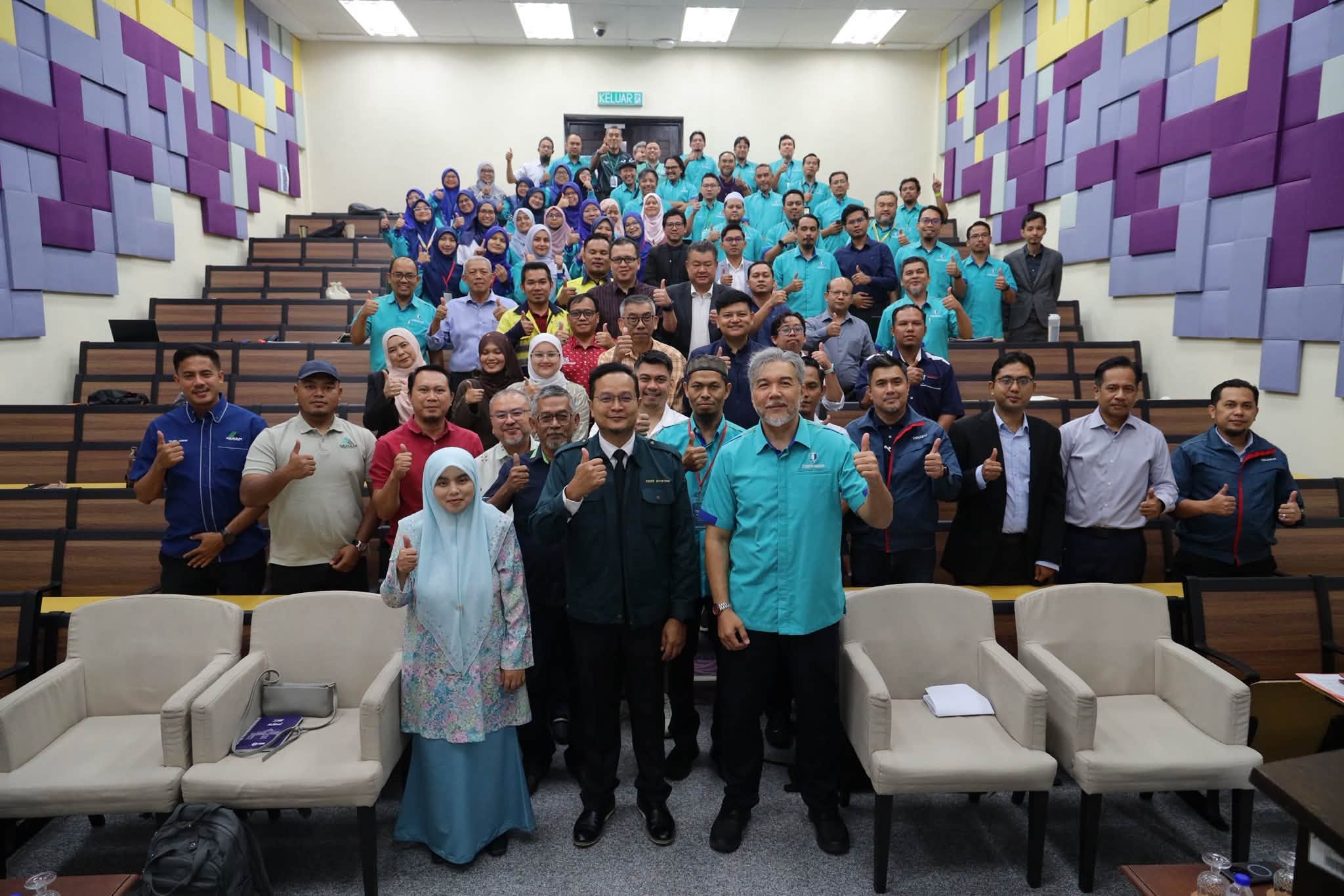
[UMPSA NEWS] Aniq Zamzamy Terima Anugerah Kecemerlangan Telekom

[UMPSA NEWS] Aniq Zamzamy Terima Anugerah Kecemerlangan Telekom

Aniq Zamzamy terima Anugerah Kecemerlangan Telekom, bukti kesungguhan dan komitmen mahasiswa.

Keupayaan mengimbangi kecemerlangan akademik dengan kepimpinan mahasiswa menjadi antara kekuatan graduan Universiti Malaysia Pahang Al-Sultan Abdullah (UMPSA), Aniq Zamzamy bin Sibron, 25, yang menerima Anugerah Kecemerlangan Telekom Malaysia Berhad bersempena dengan Majlis Konvokesyen Ke-21 UMPSA.

Graduan Ijazah Sarjana Muda Teknologi Kejuruteraan (Elektrik) dengan Kepujian itu menamatkan pengajian dengan memperoleh Purata Nilai Gred Kumulatif (PNGK) 3.59 serta meraih Anugerah Dekan sebanyak lima semester sepanjang pengajiannya di UMPSA.

Berita Penuh: https://news.umpsa.edu.my/.../aniq-zamzamy-terima...

Radio Foxhunting: Hunting Signals, Exploring the World Of STEM

Radio Foxhunting: Hunting Signals, Exploring the World Of STEM

24 October 2026 | UMPSA Pekan Campus

How do you find something invisible, with no clues other than radio signals? This was the exciting challenge explored by participants of the Radio Foxhunting Programme, organised by UMPSA STEM Lab in collaboration with Pengakap Malaysia Pahang, Kuantan, in conjunction with International Radio Week 2026 (JOTA-JOTI).

The programme introduced participants to the fascinating world of radio communication through hands-on learning experiences that integrated science, technology, mathematics, and problem-solving skills.

Throughout the programme, participants were introduced to four main modules: Morse Code, Map Reading and Triangulation, Yagi Antenna Construction, and Field Strategies. They not only learned how to identify radio signals but also had the opportunity to construct their own three-element directional Yagi antennas and understand techniques for locating transmitters using compass readings and signal mapping.

The highlight of the programme was the Radio Foxhunting Challenge, where participants ventured outdoors to locate hidden radio transmitters around the campus using the knowledge and skills they had acquired. From understanding theoretical concepts to applying them in real-world situations, the activity tested their accuracy, strategic thinking, teamwork, and problem-solving abilities.

This experience demonstrated that STEM learning becomes more meaningful when participants are given opportunities to explore, experiment, and discover how technology works firsthand. Although radio waves cannot be seen with the naked eye, the scientific principles behind them can be explored and understood through practical experiments and real-life experiences.

Our sincere appreciation goes to all members of Pengakap Malaysia Pahang, Kuantan, and the FTKEE UMPSA facilitators for their dedication and contributions towards making this programme a success.

One transmitter, one mission, endless discoveries! From invisible signals to real-world discoveries.

Celebrating Excellence: UMPSA 21st Convocation Ceremony 2026

Celebrating Excellence: UMPSA 21st Convocation Ceremony 2026

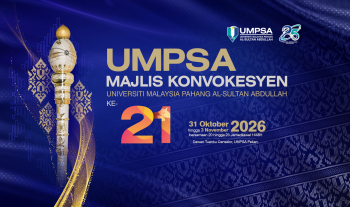
The Faculty of Electrical and Electronics Engineering Technology (FTKEE), Universiti Malaysia Pahang Al-Sultan Abdullah (UMPSA), is delighted to celebrate the upcoming 21st UMPSA Convocation Ceremony, which will take place from 31 October to 3 November 2026 at Dewan Tuanku Canselor, UMPSA Pekan.

This prestigious ceremony marks a significant milestone in the academic journey of UMPSA graduates, recognising their dedication, perseverance, and achievements throughout their years of study.

FTKEE extends its heartfelt congratulations to all graduating students, particularly those from the faculty, for successfully completing their academic programmes. Their accomplishments reflect their determination, commitment to excellence, and readiness to contribute their knowledge and skills to the engineering and technology industries.

As our graduates embark on the next chapter of their professional journeys, FTKEE encourages them to continue pursuing innovation, lifelong learning, and meaningful contributions to society. May their achievements inspire future generations of engineers, technologists, and innovators.

Event Details

  • Event: 21st UMPSA Convocation Ceremony

  • Date: 31 October – 3 November 2026

  • Venue: Dewan Tuanku Canselor, UMPSA Pekan

  • Organiser: Universiti Malaysia Pahang Al-Sultan Abdullah (UMPSA)

Congratulations to the Class of 2026!

Your hard work has brought you to this proud moment. May your future be filled with success, exciting opportunities, and remarkable achievements.

FTKEE UMPSA – Empowering Future Engineers and Technologists.

FTKEE–Industry Engagement & Networking 2026: Bridging Innovation Through Collaboration

FTKEE–Industry Engagement & Networking 2026: Bridging Innovation Through Collaboration

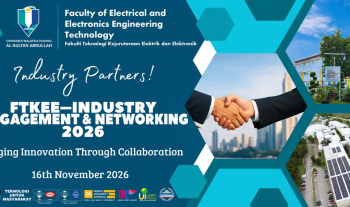
The Faculty of Electrical and Electronics Engineering Technology (FTKEE), Universiti Malaysia Pahang Al-Sultan Abdullah (UMPSA), is pleased to announce the upcoming FTKEE–Industry Engagement & Networking 2026, scheduled to take place on 16 November 2026.

With the theme “Bridging Innovation Through Collaboration,” this event aims to strengthen strategic partnerships between academia and industry, fostering meaningful collaborations in engineering technology, research, innovation, and talent development.

The programme will provide a valuable platform for industry representatives, academicians, researchers, and stakeholders to exchange knowledge, explore potential partnerships, and identify opportunities for collaborative research, technology transfer, industrial engagement, and student development.

Through this initiative, FTKEE continues its commitment to bridging the gap between academic excellence and industry needs while supporting UMPSA's mission to advance technology-driven innovation and sustainable industrial development.

Event Details

  • Event: FTKEE–Industry Engagement & Networking 2026

  • Date: 16 November 2026

  • Theme: Bridging Innovation Through Collaboration

  • Organiser: Faculty of Electrical and Electronics Engineering Technology (FTKEE), UMPSA

Together, we innovate, collaborate, and shape the future of engineering technology.

Image
— Contact
Faculty of Electrical and Electronics Engineering Technology,
Universiti Malaysia Pahang Al-Sultan Abdullah, Pekan Campus,
26600 Pekan, Pahang, Malaysia.
+609-431 5015
info-ftkee@umpsa.edu.my
— Social Network